
Essential Chemicals for a Healthy Swimming Pool: An Expert Guide


Understanding the Basics of Pool Chemistry
Maintaining a healthy swimming pool involves more than just regular cleaning and skimming. Proper chemical balance is essential to ensure the water is safe and inviting. Whether you're a new pool owner or a seasoned pro, understanding the essential chemicals is crucial to effective pool maintenance.
Chlorine: The Primary Sanitizer
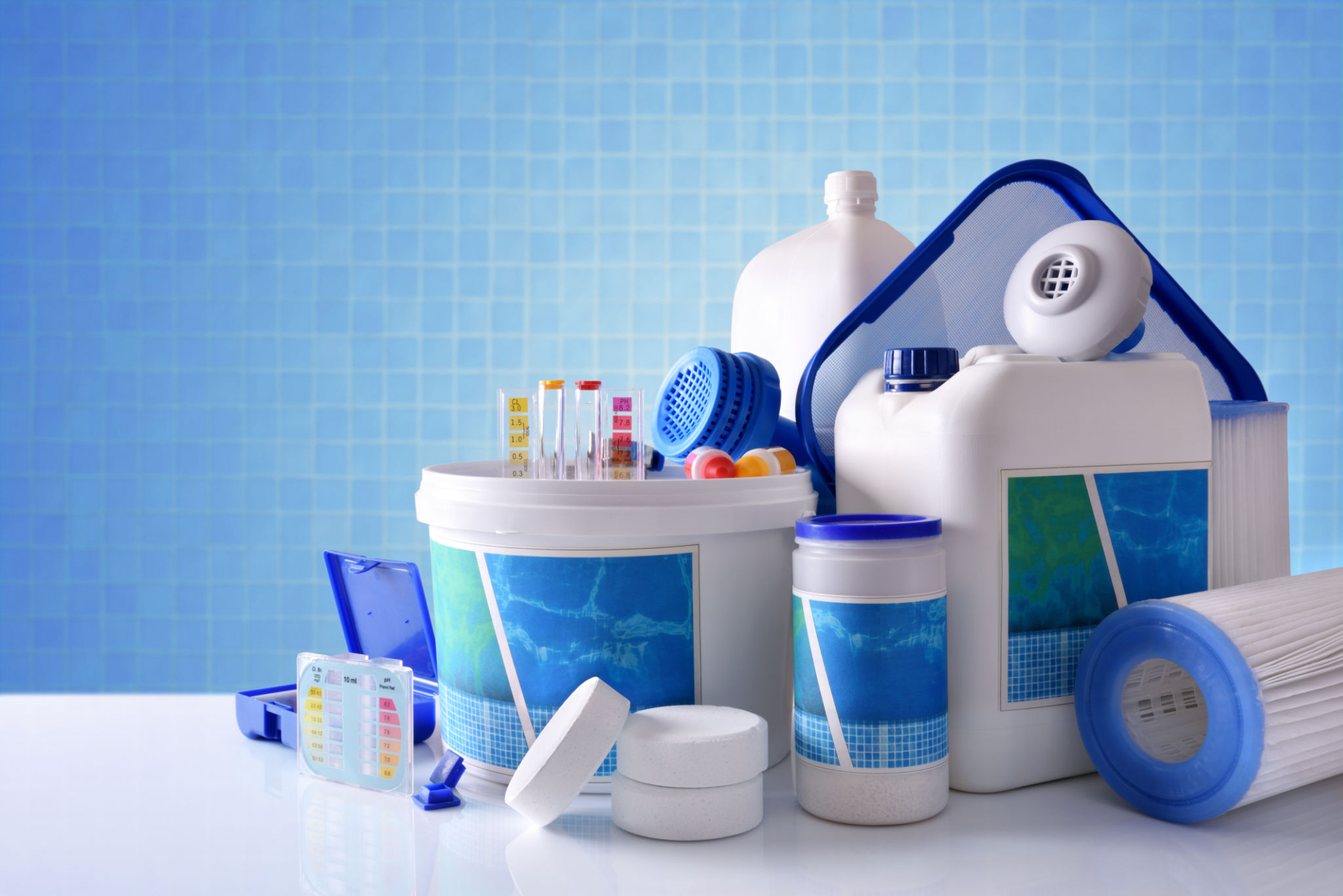
Chlorine is perhaps the most well-known pool chemical. It acts as a powerful sanitizer, killing bacteria and algae that can thrive in pool water. Maintaining the right chlorine level helps prevent cloudy water and protects swimmers from harmful microorganisms. It's important to regularly test chlorine levels, aiming for a range of 1-3 ppm (parts per million).
pH Balancers: Achieving the Right Balance
The pH level of your pool water indicates how acidic or alkaline it is. A pH level between 7.2 and 7.8 is ideal for swimmers and ensures that chlorine works effectively. If the pH is too high or too low, it can cause irritation to the skin and eyes and can reduce the efficacy of chlorine. Adjust pH levels using pH increasers or decreasers as needed.

Alkalinity: The Buffer for pH
Total alkalinity acts as a buffer for pH, preventing sudden changes that can disrupt the chemical balance. Maintaining alkalinity levels between 80-120 ppm stabilizes the pH and enhances the overall health of your pool water. Use alkalinity increasers to correct any imbalances.
Calcium Hardness: Protecting Your Pool
Calcium hardness refers to the concentration of calcium in the water. Proper levels (between 200-400 ppm) prevent the water from becoming either too corrosive or too scaling. Low calcium levels can lead to etching of pool surfaces, while high levels can cause scale buildup. Regular testing and adjustments, if necessary, ensure the longevity of your pool materials.
Shock Treatments: Revitalizing Your Pool
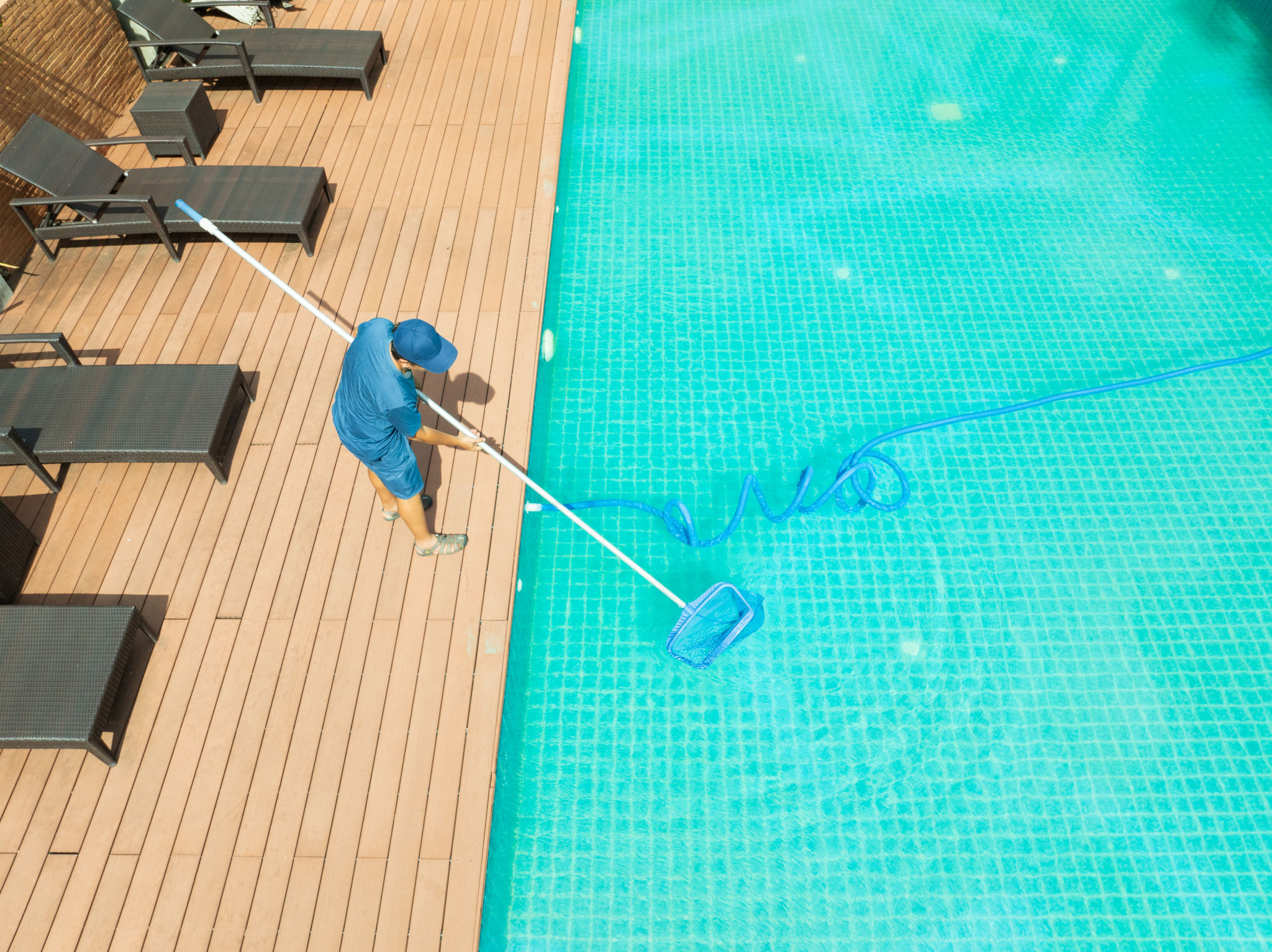
Shock treatments involve adding a large dose of chlorine to the pool to quickly boost sanitizer levels. This process is essential after heavy pool use, a rainstorm, or when the water appears cloudy. Shocking your pool weekly or as needed helps maintain crystal-clear water.
Algaecides: Keeping Algae at Bay
Algae can quickly turn a beautiful pool into a murky mess. Algaecides provide an extra layer of protection against algae growth and are particularly useful in preventing outbreaks. While not a substitute for chlorine, they can be a valuable part of your overall pool care routine.
Stabilizers: Extending Chlorine Life
Cyanuric acid, commonly known as a stabilizer or conditioner, helps protect chlorine from being degraded by the sun's UV rays. Maintaining stabilizer levels between 30-50 ppm can significantly extend the life of chlorine, making pool maintenance more efficient and cost-effective.
By understanding and maintaining these essential chemicals, you can ensure your swimming pool remains a safe and enjoyable retreat. Regular testing and adjustments are key to achieving a perfect chemical balance, allowing you to dive into a clean and healthy pool all season long.