
DIY Pool Maintenance: Can I Maintain My Own Swimming Pool?


Maintaining your swimming pool might seem daunting, but with the right approach, it can be a manageable and even enjoyable task. Whether you want to save money or simply enjoy the satisfaction of DIY work, maintaining your pool can be a rewarding experience. Here's a guide to help you determine if you can handle pool maintenance yourself.
Understanding the Basics of Pool Maintenance
Before diving into the specifics, it's essential to understand what pool maintenance involves. Regular upkeep is crucial to ensure your pool remains clean, safe, and enjoyable to use. The basic tasks include cleaning, water testing, and chemical balancing.
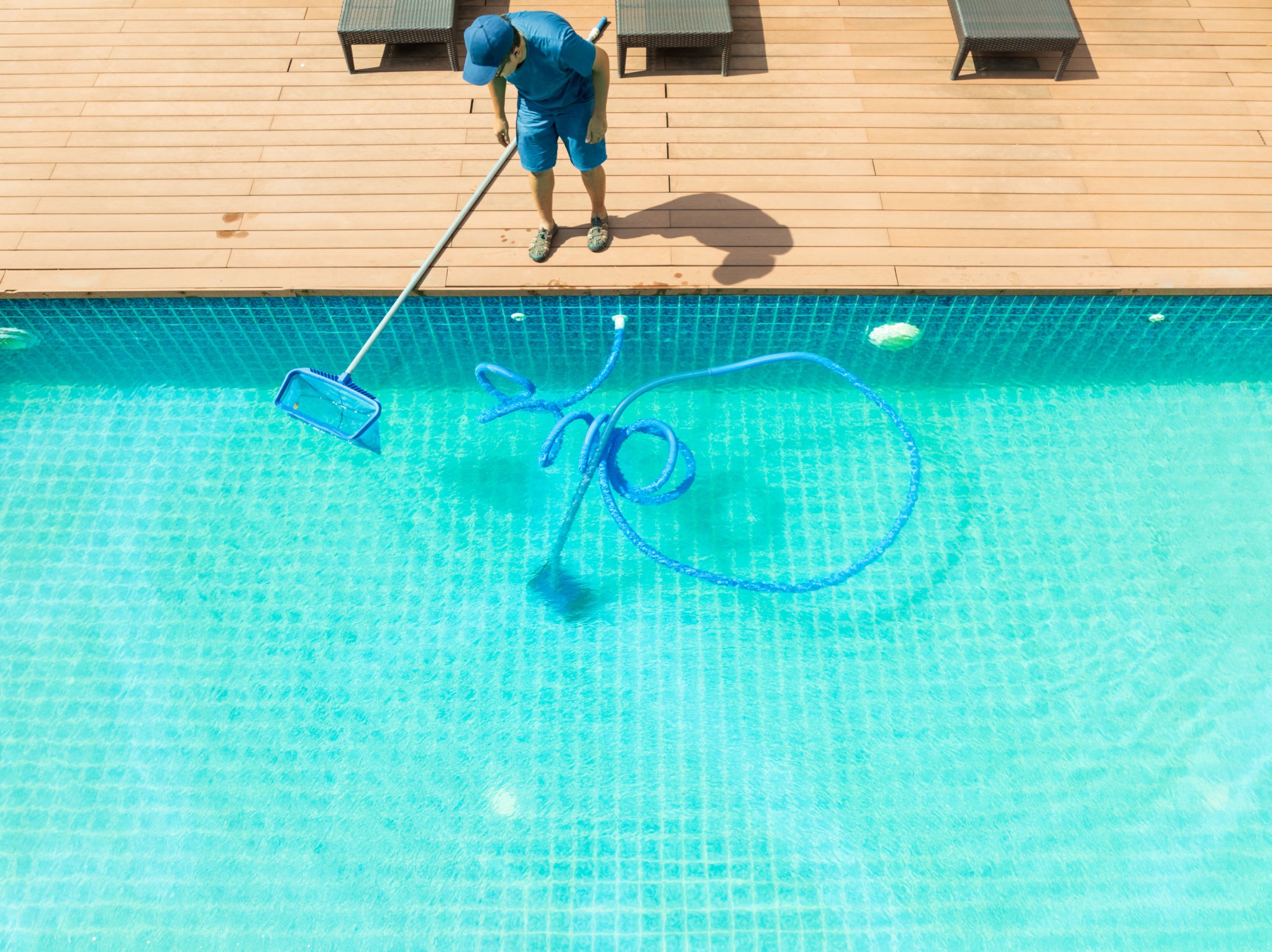
Cleaning your pool involves removing debris, brushing the walls and tiles, and ensuring the pool's filtration system is functioning correctly. Regular water testing helps maintain the right chemical balance, preventing algae growth and ensuring the water is safe for swimming.
Tools and Supplies You'll Need
Having the right tools and supplies is critical for effective pool maintenance. Here's a basic list to get you started:
- Pool skimmer and vacuum
- Pool brush
- Water testing kit
- pH increaser and decreaser
- Chlorine or alternative sanitizers
Investing in quality tools can save you time and effort in the long run. Make sure to check your supplies regularly and replace them as needed.
Weekly Maintenance Routine
Setting up a weekly maintenance routine can help keep your pool in top condition. Here’s a simple plan to follow:
- Skim the surface for debris daily.
- Brush the walls and tiles weekly.
- Vacuum the pool floor weekly.
- Test the water at least twice a week.
- Check and clean the filter regularly.
Consistency is key, and sticking to this routine will help you avoid major issues down the line.
Understanding Chemical Balancing
Proper chemical balance is crucial for a healthy pool environment. The main factors to monitor include pH levels, alkalinity, and sanitizer levels. The ideal pH level is between 7.2 and 7.6. Alkalinity should be between 80 and 120 ppm, while chlorine levels should range between 1 and 3 ppm.
Using a water testing kit, you can easily keep track of these levels and adjust them as necessary. Remember, maintaining the right chemical balance not only ensures safe swimming but also prolongs the life of your pool equipment.
When to Call the Professionals
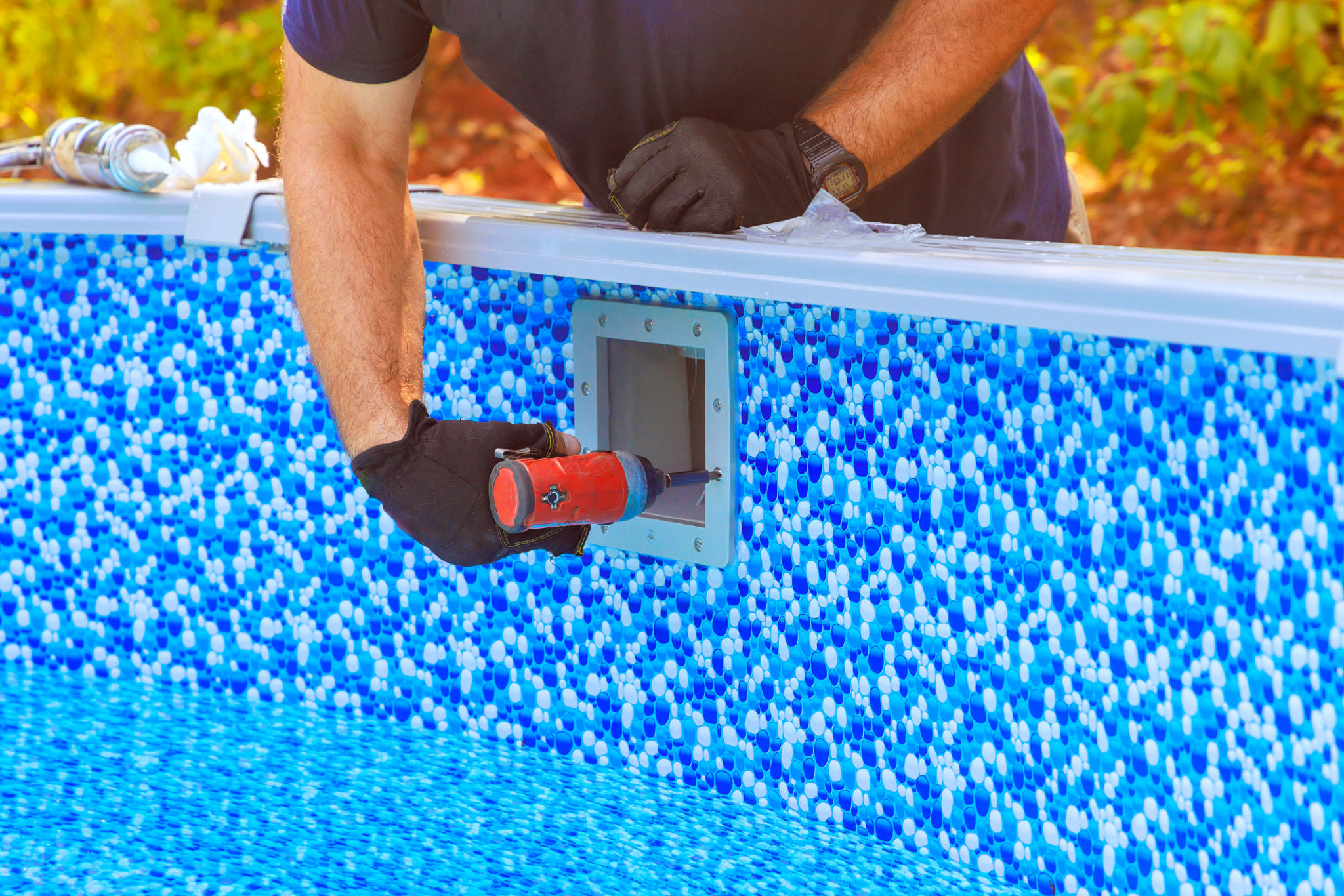
While DIY pool maintenance is feasible, there may be situations where professional help is necessary. Complicated issues such as major leaks, broken pumps, or persistent algae problems might require expert intervention.
Knowing your limits and recognizing when to seek professional assistance can save you time and prevent costly repairs. A professional can also provide valuable advice to improve your maintenance routine.

Conclusion
Maintaining your swimming pool doesn't have to be overwhelming. With the right tools, a consistent routine, and a basic understanding of pool chemistry, you can keep your pool in excellent condition. Whether you decide to handle it all yourself or seek occasional professional help, the key is regular attention and care.
By taking a proactive approach to pool maintenance, you can ensure a safe, clean, and enjoyable swimming experience for you and your family.